How I Finally Took Control of My Health Without Overwhelm
Living with a chronic condition used to feel like walking uphill every day—until I discovered small, sustainable changes that actually worked. This isn’t about extreme diets or rigid rules. It’s about real food, simple choices, and a plan I could stick to as a total beginner. If you’re tired of confusing advice and want something practical, this journey might be your starting point. For years, I bounced between fleeting fixes and overwhelming regimens, only to feel worse. Then I learned that true health isn’t found in drastic measures, but in consistent, manageable actions. This is the story of how I reclaimed my energy, peace, and confidence—one small plate at a time.
The Breaking Point: When My Chronic Symptoms Hit Hard
There was a moment—ordinary, yet unforgettable—when I realized I couldn’t keep pretending everything was fine. It wasn’t a hospital visit or a dramatic diagnosis, but a quiet Tuesday morning when I couldn’t get out of bed without dizziness and a deep sense of exhaustion. I had been living with constant fatigue, bloating after meals, and mood swings that made me feel like a stranger in my own body. At first, I dismissed it as stress or aging, common excuses many women in their 30s and beyond tell themselves. But over time, the symptoms became harder to ignore. Simple tasks like grocery shopping or playing with my children left me drained for hours.
What made it worse was the guilt. I felt like I should be able to handle it, like my body was failing me because I wasn’t trying hard enough. I tried quick fixes—detox teas, juice cleanses, skipping meals—but they only made things worse. My energy would spike briefly, then crash. My digestion grew more unpredictable. I wasn’t living; I was surviving. The turning point came when a close friend gently asked, “Have you thought about how your food might be affecting you?” That question planted a seed. I wasn’t ready for a complete overhaul, but I was ready to stop ignoring the signals my body had been sending for years.
Many women in this stage of life face similar challenges. Hormonal shifts, caregiving responsibilities, and long-standing habits can mask the impact of chronic symptoms. The truth is, you don’t have to be in constant discomfort to need change. Recognizing that something is off is not weakness—it’s the first sign of strength. Accepting that I needed help wasn’t defeat; it was the beginning of empowerment. I realized I wasn’t alone, and more importantly, I wasn’t stuck. The journey to better health didn’t require perfection. It required awareness, patience, and one small step forward.
What Chronic Disease Really Means (And What It Doesn’t)
When I first heard the term “chronic condition,” I associated it with hopelessness—something permanent and unchangeable. But over time, I learned that this belief couldn’t be further from the truth. A chronic condition doesn’t mean your health is doomed. Instead, it means your body has been under prolonged stress, and it needs consistent, supportive care to regain balance. Think of it like a car that’s been running on low-quality fuel for years. It still works, but it sputters, overheats, and breaks down more often. Switch to the right fuel, maintain it regularly, and performance improves—even if the engine isn’t brand new.
Medically speaking, chronic diseases such as type 2 diabetes, hypertension, or autoimmune disorders develop over time and require ongoing management. However, research consistently shows that lifestyle factors—especially diet, physical activity, and stress management—play a powerful role in how these conditions progress. According to the Centers for Disease Control and Prevention, about 60% of chronic diseases can be prevented or better managed through healthy lifestyle choices. This doesn’t mean diet can cure disease, but it can significantly influence symptoms, flare-ups, and overall quality of life.
One of the most liberating realizations was understanding that I wasn’t powerless. While I couldn’t change my genetic predisposition or undo years of poor eating, I could influence how my body responded moving forward. Chronic doesn’t mean unchangeable. It means long-term, which also means there’s time—time to experiment, learn, and grow. The goal isn’t to erase the condition overnight, but to build daily habits that support your body’s natural ability to heal and regulate. This shift in mindset—from helplessness to agency—was the foundation of everything that followed.
Why Diet Hits Different When You Have a Chronic Condition
For someone without ongoing health issues, generic advice like “eat more vegetables” or “drink more water” might feel like background noise. But when you’re living with a chronic condition, the same advice can have profound effects. Food isn’t just fuel—it’s information. Every bite sends signals to your cells about whether to calm down or stay on high alert. When inflammation is already elevated, certain foods can act like gasoline on a fire, while others help douse the flames.
I began to notice how my energy levels, digestion, and even my mood shifted within hours of eating. A sugary breakfast would leave me shaky and irritable by mid-morning. A heavy, processed lunch would lead to bloating and mental fog in the afternoon. These weren’t coincidences—they were direct responses to what I was eating. The problem wasn’t that I wasn’t trying to eat healthy. I was eating salads and low-fat snacks, but many were loaded with hidden sugars, refined carbs, and artificial ingredients. I learned that “healthy” packaged foods aren’t always healthy, especially when your body is sensitive.
What finally made a difference was consistency, not perfection. I stopped aiming for flawless eating and started focusing on patterns. Did I eat mostly whole foods today? Did I avoid processed sugars? Did I feel better than yesterday? These small markers became more important than any diet rule. Over time, I saw that even modest improvements—like swapping soda for sparkling water or choosing whole grains over white bread—led to noticeable changes. My stomach felt calmer. My energy was steadier. I wasn’t cured, but I was coping better. And that was enough to keep going.
My First Real Diet Shift: Ditching Processed Crap
The first real change I made—and the one that had the fastest impact—was cutting out ultra-processed foods. I didn’t start with a complicated meal plan or a list of forbidden ingredients. I simply asked myself: “Is this food something my grandmother would recognize?” If the answer was no, I reconsidered. This simple rule helped me avoid products with long ingredient lists, unpronounceable chemicals, and added sugars hiding under names like maltodextrin or high-fructose corn syrup.
I began by eliminating the biggest offenders: packaged snacks, sugary cereals, fast food, and sweetened beverages. I used to grab a granola bar for breakfast, thinking it was a healthy choice, only to discover it had more sugar than a candy bar. I drank fruit juice, believing it was natural, but learned that without fiber, it spiked my blood sugar just like soda. These weren’t indulgences—they were daily habits disguised as convenience. When I replaced them with real food, the difference was almost immediate. Within three days, my afternoon crashes diminished. My digestion became more regular. I didn’t feel deprived; I felt clearer.
Simple swaps made all the difference. Instead of sugary cereal, I started eating oatmeal cooked with water or unsweetened almond milk, topped with a handful of berries and a spoon of nut butter. Instead of juice, I ate a whole apple or orange. Instead of packaged cookies, I reached for a banana with a few almonds. These changes didn’t require special skills or expensive ingredients. They just required intention. I didn’t need to be perfect. I just needed to be consistent. And slowly, my body began to trust me again.
Building a Plate That Works: Simple, Balanced, Repeatable
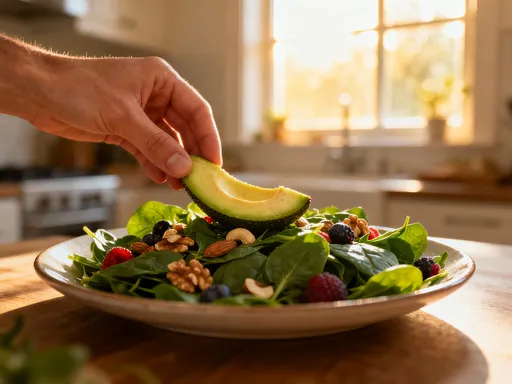
Once I had cut out the worst offenders, I focused on building meals that were satisfying, balanced, and easy to repeat. I didn’t follow a strict diet plan or count calories. Instead, I used a simple visual guide: fill half my plate with colorful vegetables, one-quarter with lean protein, and one-quarter with fiber-rich carbohydrates. I added a small amount of healthy fat to every meal—like olive oil, avocado, or nuts—to help with fullness and nutrient absorption.
Each component played a role. Vegetables provided fiber and antioxidants, which support gut health and reduce inflammation. Protein—whether from chicken, fish, eggs, beans, or tofu—helped stabilize blood sugar and preserve muscle, especially important as we age. Complex carbohydrates like sweet potatoes, brown rice, or quinoa released energy slowly, preventing the spikes and crashes I used to experience. Healthy fats supported hormone balance and brain function, helping me feel more focused and emotionally steady.
My go-to meals became simple and reliable. A spinach salad with grilled salmon, cherry tomatoes, cucumbers, and a lemon-olive oil dressing. Lentil soup with a slice of whole grain bread and a side of steamed broccoli. Stir-fried tofu with mixed vegetables and brown rice. These weren’t gourmet creations, but they were nourishing, quick to prepare, and something I could stick with. I didn’t eat this way every single day, but I aimed for consistency over time. And the more I did it, the more my cravings shifted. I began to crave the feeling of lightness and clarity that followed a real-food meal, not the temporary comfort of processed junk.
Meal Timing and Mindset: The Hidden Pieces
As I improved my food choices, I began to notice that when I ate mattered just as much as what I ate. Going too long without eating left me shaky and prone to overeating later. Skipping breakfast because I was rushed often led to intense cravings by mid-morning. I learned that regular, balanced meals helped keep my energy steady and my symptoms more predictable.
I started aiming for three main meals with one or two small snacks if needed—never letting myself get ravenous. This wasn’t about rigid scheduling, but about listening to my body. I also began practicing mindful eating, not as a strict rule, but as a gentle habit. Instead of eating in front of the TV or while scrolling on my phone, I tried to sit at the table, chew slowly, and notice how the food tasted. This simple shift helped me recognize when I was full, reducing the tendency to overeat out of habit or distraction.
Emotional eating was another challenge I had to face. There were days when stress or fatigue made me reach for comfort foods without thinking. Instead of judging myself, I learned to pause and ask, “Am I hungry, or am I trying to soothe something else?” Sometimes the answer was yes, I was truly hungry. Other times, I needed rest, a walk, or a moment to breathe. Self-compassion became a cornerstone of my journey. I wasn’t aiming for perfection. I was learning to respond to my body with kindness, not punishment. And that made all the difference in staying the course.
Staying on Track Without Burning Out
Sustainability is the secret most diets miss. I’ve tried rigid plans that worked for two weeks—then collapsed under the weight of real life. What finally helped me stay consistent was designing a lifestyle, not a temporary fix. I started batch cooking on weekends—roasting a tray of vegetables, grilling a few chicken breasts, or preparing a pot of quinoa. Having these basics ready made weekday meals faster and less stressful. I kept a list of ten go-to meals I could rotate, so I never felt stuck or overwhelmed by decisions.
I also learned to be flexible. Social events, travel, and family gatherings aren’t obstacles—they’re part of life. Instead of avoiding them, I planned ahead. I ate a small, balanced meal before a party so I wouldn’t arrive starving. I brought a healthy dish to share at potlucks. I allowed myself to enjoy a slice of cake or a glass of wine without guilt, knowing that one meal wouldn’t undo weeks of progress. The key was returning to my habits the next day, not striving for perfection.
Progress wasn’t measured by the scale. It was in the small victories: sleeping through the night, having energy to play with my kids, feeling less bloated, thinking more clearly. These non-scale wins kept me motivated when results weren’t visible. I reminded myself that healing takes time—months, sometimes years. But every small choice added up. I wasn’t failing if I slipped up. I was succeeding by showing up again.
Managing a chronic condition isn’t about fixing everything overnight—it’s about showing up consistently with kindness and awareness. A simple, real-food-based diet isn’t a magic fix, but it’s one of the most effective tools we have. By starting small and staying focused on how food makes you feel, you build not just better health, but a life that supports it. Always consult a healthcare provider to personalize your path—because real change begins with both courage and care.