How I Slashed Rehab Costs Without Sacrificing Care
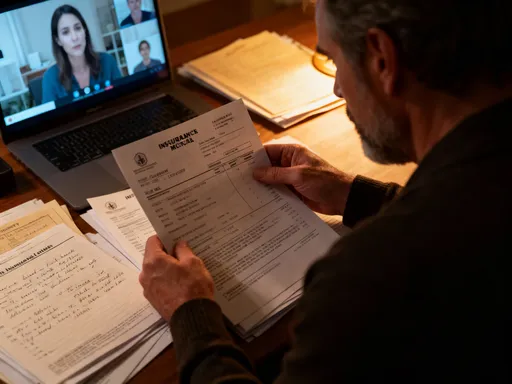
Facing rehab treatment felt overwhelming—not just physically, but financially. I quickly realized quality care didn’t have to drain my savings. After researching options, comparing providers, and learning from costly mistakes, I discovered practical ways to cut expenses without cutting corners. In this guide, I’ll walk you through the real strategies that saved me thousands, from smart insurance moves to alternative therapies worth trying. These are not theoretical tips—they’re proven steps rooted in real-world experience and financial sense. The goal isn’t to avoid care, but to access it wisely, affordably, and sustainably. With rising healthcare costs, especially in rehabilitation services, being informed is no longer optional—it’s essential.
The Hidden Financial Burden of Rehabilitation Treatment
Rehabilitation treatment often begins with hope and determination, but for many, it quickly becomes a financial strain. While the focus is on healing, the costs can accumulate silently and swiftly, catching patients and families off guard. Beyond the obvious medical fees—such as physical therapy sessions or occupational therapy—are a host of less visible charges that significantly impact the total bill. Facility fees, administrative surcharges, equipment rental, and transportation to and from treatment centers all contribute to a growing balance that few anticipate. Even with health insurance, out-of-pocket expenses can soar, especially when treatments extend over weeks or months.
One of the most common misconceptions is that rehabilitation is fully covered under standard health plans. In reality, many policies impose strict limits on the number of therapy sessions per year or require prior authorization for continued care. When these limits are reached, patients face a difficult choice: pay out of pocket or discontinue treatment prematurely. This gap between expected and actual costs can lead to financial distress, particularly for those on fixed incomes or without emergency savings. A single month of intensive outpatient rehab can cost several thousand dollars, and inpatient programs may run even higher—especially if they are located in urban areas or affiliated with prestigious hospitals.
Another overlooked expense is the cost of support services. For example, caregivers may need to take time off work, resulting in lost wages. Home modifications—like installing grab bars or ramps—can add hundreds or even thousands to the overall burden. Prescription medications, assistive devices like walkers or braces, and follow-up imaging studies also contribute to the financial load. These indirect costs are rarely discussed during initial consultations, yet they play a critical role in determining whether a patient can complete their rehabilitation journey without hardship. Recognizing these hidden expenses early allows individuals to plan ahead, seek assistance, and make more sustainable choices.
The emotional toll of financial pressure should not be underestimated. Stress about money can interfere with recovery, reducing motivation and increasing anxiety. Patients may skip appointments, delay necessary treatments, or avoid asking questions for fear of incurring more charges. This creates a cycle where physical healing is compromised by economic strain. To break this cycle, it’s essential to approach rehabilitation not only as a medical process but as a financial one as well. By understanding the full scope of potential costs, individuals can take proactive steps to manage them—ensuring that recovery remains the priority, not debt.
Understanding Insurance Coverage: What’s Really Included?
Health insurance is often seen as a safety net, but when it comes to rehabilitation services, its protections can be surprisingly thin. Many people assume their plan will cover most, if not all, of their therapy needs. However, the reality is far more complex. Insurance policies vary widely in what they consider medically necessary, how many visits they approve, and which providers they accept. Without a clear understanding of these details, patients risk facing unexpected denials and steep bills. The key to avoiding this lies in careful review and active communication with both the insurer and the healthcare provider.
To begin, it’s crucial to obtain a complete copy of your insurance policy’s summary of benefits and coverage (SBC). This document outlines what services are included, any applicable deductibles, co-pays, or co-insurance rates, and whether pre-authorization is required for rehabilitation therapy. For instance, some plans may cover only 20 physical therapy sessions per calendar year, after which the patient must pay the full cost. Others may limit coverage to specific diagnoses or require proof of progress at regular intervals. Failing to meet these conditions can result in denied claims, even if the treatment is clinically appropriate.
Equally important is verifying whether your chosen rehabilitation provider is in-network. Out-of-network providers typically cost more, and in some cases, the insurance company may pay only a small portion of the bill, leaving the patient responsible for the remainder—a situation known as balance billing. Before starting treatment, call your insurer and confirm that both the facility and the individual therapist are covered under your plan. Request written confirmation of benefits whenever possible, as verbal assurances can be difficult to enforce later.
Another common pitfall is assuming that once treatment begins, coverage is guaranteed. In reality, many insurers require periodic re-evaluation and continued justification for therapy. If progress is not documented adequately, services may be abruptly discontinued. To prevent this, maintain open communication with your care team and ensure that treatment goals and outcomes are clearly recorded in your medical file. Ask your therapist to submit progress reports to the insurance company as needed. Being proactive in this way increases the likelihood of ongoing approval and reduces the risk of surprise denials.
For those facing a denial, there is still recourse. Most insurance plans have an appeals process that allows patients to challenge decisions they believe are incorrect. This may involve submitting additional medical records, letters from physicians, or even peer-to-peer reviews between doctors. While the process can be time-consuming, it often results in reversed decisions—especially when supported by strong clinical evidence. Understanding your rights and responsibilities under your insurance plan empowers you to advocate effectively for the care you need without unnecessary financial penalty.
Choosing the Right Facility: Balancing Quality and Cost
Selecting a rehabilitation facility is one of the most important decisions in the recovery journey—and one that carries significant financial implications. While reputation and proximity often guide choices, they should not be the only factors considered. The cost of care can vary dramatically between facilities offering similar services, and higher prices do not always correlate with better outcomes. A more strategic approach involves evaluating each option based on value: the balance between quality of care, clinical effectiveness, and affordability.
One major cost differentiator is the type of program offered—inpatient versus outpatient rehabilitation. Inpatient facilities provide round-the-clock care and structured therapy schedules, which can be beneficial for individuals with complex medical needs or limited home support. However, these programs are typically much more expensive due to room and board, staffing levels, and facility overhead. Outpatient rehab, on the other hand, allows patients to live at home while attending therapy sessions during the day. This model can reduce costs substantially while still delivering high-quality care, particularly for those who are medically stable and have reliable transportation.
Geographic location also plays a role in pricing. Urban rehabilitation centers often charge more than their rural counterparts due to higher operating costs and demand. However, this does not necessarily mean they offer superior treatment. Some community-based clinics in smaller towns deliver excellent outcomes at a fraction of the price. It’s worth researching patient satisfaction scores, readmission rates, and functional improvement metrics when comparing facilities. These data points provide a clearer picture of performance than name recognition alone.
Another consideration is the composition of the care team. Facilities with licensed physical therapists, occupational therapists, and speech-language pathologists tend to offer more comprehensive services. However, some centers may rely heavily on aides or assistants, which can affect the quality and intensity of therapy. Ask about the ratio of licensed professionals to patients and how much one-on-one time you can expect during each session. More hands-on care generally leads to better outcomes, but it should be weighed against the associated costs.
When evaluating facilities, don’t hesitate to request detailed cost estimates in writing. These should include all anticipated charges: therapy sessions, evaluations, equipment use, and any additional fees. Compare these side by side, and look for hidden costs such as parking, laundry, or meal surcharges in inpatient settings. Some centers offer bundled pricing or discounted rates for self-pay patients, which can further reduce expenses. Taking the time to compare options thoroughly ensures that you choose a facility that supports both your health goals and your financial well-being.
Leveraging Outpatient and Community-Based Programs
Outpatient rehabilitation programs represent one of the most cost-effective pathways to recovery for many individuals. Unlike inpatient care, which requires extended stays and incurs lodging and meal expenses, outpatient services allow patients to return home each day after therapy. This model not only reduces direct costs but also enables greater integration of treatment into daily life—a factor that can enhance long-term success. When structured properly, outpatient rehab can deliver outcomes comparable to inpatient care, particularly for conditions such as post-surgical recovery, stroke rehabilitation, and chronic pain management.
The financial advantages of outpatient care are significant. Without the overhead of housing and 24-hour staffing, clinics can offer therapy at lower rates. Additionally, patients avoid indirect costs like travel for visitation or laundry services. Many outpatient centers also operate on flexible schedules, allowing individuals to continue working part-time or managing household responsibilities. This continuity helps maintain a sense of normalcy, which supports mental and emotional well-being—an often-overlooked component of healing.
Beyond private clinics, community-based programs offer another layer of affordability. Local health departments, nonprofit organizations, and faith-based groups sometimes sponsor rehabilitation services at reduced or no cost. These programs may include group therapy sessions, wellness workshops, or peer-led exercise classes designed to support ongoing recovery. While they may not replace clinical therapy, they serve as valuable supplements that extend care beyond formal treatment periods.
Community health centers funded by federal or state programs are another resource worth exploring. These centers often operate on a sliding fee scale based on income, making them accessible to low- and middle-income individuals. Services may include physical therapy, speech therapy, and counseling, all provided by qualified professionals. Because these centers receive public funding, they are held to high standards of care and accountability. They also tend to coordinate closely with primary care providers, ensuring a holistic approach to recovery.
To get the most out of community-based programs, it’s important to research availability in your area. Contact local hospitals, senior centers, or public health offices to inquire about rehabilitation support services. Some programs require referrals, while others accept self-enrollment. Participation may involve completing an assessment or attending an orientation session, but the investment of time can yield substantial financial and health benefits. By combining outpatient clinical care with community resources, patients can create a robust, affordable rehabilitation plan that supports sustained progress.
Exploring Alternative and Complementary Therapies
As healthcare costs continue to rise, many individuals are turning to alternative and complementary therapies to support their rehabilitation journey. These approaches, when used wisely, can reduce reliance on expensive clinical services while maintaining or even enhancing recovery outcomes. However, it’s essential to distinguish between evidence-based, accessible options and unproven or potentially harmful alternatives that promise savings but deliver little value.
One of the most effective and affordable innovations in recent years is telehealth physical therapy. Through video consultations, patients can receive personalized exercise instruction, progress monitoring, and feedback from licensed therapists—all from the comfort of home. This eliminates transportation costs and time off work, while still ensuring professional guidance. Studies have shown that telehealth rehab can be as effective as in-person sessions for certain conditions, particularly when combined with a structured home exercise program. Many insurance plans now cover telehealth services, and some providers offer discounted rates for virtual-only clients.
Peer-led recovery groups are another valuable resource. While not a substitute for medical therapy, these groups provide emotional support, motivation, and practical tips from others who have faced similar challenges. Meeting regularly with peers can reduce feelings of isolation and increase adherence to treatment plans. Some organizations offer free or low-cost access to such groups, either in person or online. The shared experiences and accountability fostered in these settings can contribute meaningfully to long-term recovery, especially for those managing chronic conditions.
Home exercise programs, when designed by a qualified therapist, offer a cost-effective way to maintain strength, flexibility, and mobility between clinical sessions. Simple tools like resistance bands, stability balls, or downloadable apps can support daily practice without requiring expensive equipment. The key is consistency and proper technique, which can be ensured through initial training and periodic check-ins with a therapist. Some clinics provide printed guides or video demonstrations to help patients stay on track.
It’s important to remain cautious, however, about therapies that lack scientific backing. Products or services claiming to cure conditions overnight or eliminate the need for professional care should be viewed with skepticism. Similarly, unregulated supplements, miracle devices, or unlicensed practitioners may pose risks without delivering real benefits. Always consult with your healthcare provider before starting any new therapy, and prioritize options that are supported by research, transparency, and professional oversight. Smart choices in this area can lead to meaningful savings without compromising safety or effectiveness.
Negotiating Bills and Payment Plans Like a Pro
One of the most underutilized tools in managing rehabilitation costs is negotiation. Many patients accept medical bills at face value, assuming they are fixed and non-negotiable. In reality, healthcare pricing is often flexible, and providers are frequently willing to adjust charges, especially for self-pay patients or those demonstrating financial hardship. Learning how to review, question, and negotiate bills can transform an unaffordable expense into a manageable one.
The first step is to request an itemized bill. This detailed statement breaks down every charge—therapy sessions, evaluations, supplies, and facility fees—allowing you to spot errors or inconsistencies. It’s not uncommon to find duplicate charges, incorrect codes, or services that were never rendered. If discrepancies are identified, contact the billing department immediately and request corrections. Having documentation, such as appointment records or insurance explanations of benefits, strengthens your case.
Once the bill is accurate, explore options for reducing the total amount. Ask if the provider offers a cash discount—many clinics reduce the balance by 10% to 20% for patients who pay in full upfront. If that’s not feasible, inquire about interest-free payment plans. Most facilities prefer receiving partial payments over time rather than risking non-payment or collections. Be honest about your financial situation and propose a realistic monthly amount you can afford. Some centers even have financial counselors on staff who can help you apply for charity care or sliding-scale assistance programs.
For larger balances, consider seeking help from a patient advocacy organization or nonprofit that assists with medical debt. These groups may negotiate on your behalf or connect you with relief programs. Additionally, some credit unions offer low-interest medical loans designed specifically for healthcare expenses. While borrowing should be a last resort, having access to affordable financing can prevent damage to your credit score and allow you to focus on recovery.
The key to successful negotiation is preparation and persistence. Come to conversations informed, polite, and ready to present your case. Keep records of all communications and agreements in writing. By treating medical billing as a negotiable process rather than a fixed cost, you gain greater control over your financial health and reduce the burden of rehabilitation expenses.
Building a Long-Term Strategy to Prevent Future Costs
Rehabilitation should not be viewed as a one-time event, but as part of an ongoing commitment to health and independence. The most effective way to reduce future medical spending is to prevent relapse and avoid repeat treatments. This requires a proactive, long-term strategy that includes continued therapy, preventive care, and lifestyle adjustments—all of which contribute to sustained recovery and financial stability.
Consistency with therapy is crucial. Even after formal rehabilitation ends, many patients benefit from maintenance exercises, periodic check-ins with therapists, or participation in wellness programs. These activities help preserve strength, mobility, and function, reducing the risk of setbacks that could require additional treatment. Some insurance plans cover preventive therapy visits, and employers may offer wellness benefits that include gym memberships or fitness classes. Taking advantage of these resources supports long-term health at little or no extra cost.
Preventive care also plays a vital role. Regular medical check-ups, vision and hearing screenings, vaccinations, and chronic disease management can catch potential problems early, before they lead to serious complications. For example, managing diabetes effectively can prevent neuropathy and reduce the risk of falls—a common cause of injury requiring rehabilitation. Similarly, bone density screenings and fall prevention programs can protect older adults from fractures that result in lengthy recovery periods.
Finally, building a strong support system enhances both physical and financial resilience. Family members, friends, and community networks can provide encouragement, transportation, and help with daily tasks. Support groups and online forums offer valuable advice and emotional strength. By staying connected and engaged, individuals are more likely to adhere to healthy routines and seek help early when issues arise.
Ultimately, the goal is to shift from reactive to proactive healthcare. By investing in long-term wellness, patients not only improve their quality of life but also reduce the likelihood of future medical expenses. Rehabilitation is not just about recovering from an injury or illness—it’s about building a foundation for lasting health and financial peace of mind.
Reducing rehab treatment costs isn’t about cutting corners—it’s about making smarter, informed choices. From decoding insurance to choosing the right setting and exploring affordable alternatives, every decision shapes both recovery and financial well-being. With careful planning and proactive steps, high-quality care doesn’t have to come with a crushing price tag. The path to healing can also be a path to financial resilience.