You Won’t Believe How Tracking My Sleep Changed Everything
Ever feel tired no matter how long you sleep? I did—until I started paying attention to what my body was actually doing at night. By tracking my sleep patterns and daily habits, I uncovered surprising triggers affecting my rest. This isn’t about magic fixes, but real, science-backed changes that helped me finally get the deep, restorative sleep I’d been missing. Let me show you how health monitoring made all the difference. What began as a personal curiosity became a life-changing practice, revealing truths I had overlooked for years. Sleep is not just time spent unconscious—it’s a dynamic process essential to mental clarity, emotional balance, and physical resilience. And like any vital system, it responds to observation, understanding, and care.
The Hidden Crisis of Poor Sleep
Sleep is one of the pillars of health, standing alongside nutrition and physical activity as a foundational need. According to the World Health Organization (WHO) and the Centers for Disease Control and Prevention (CDC), most adults require between seven and nine hours of quality sleep per night to maintain optimal function. Yet, millions fall short—not just in duration, but in the depth and continuity of their rest. Chronic sleep deprivation is now recognized as a public health concern, linked to increased risks of heart disease, weakened immune response, weight gain, and cognitive decline. Despite this, many people remain unaware they are sleep-deprived, believing they are functioning normally when, in fact, their performance and well-being are compromised.
One of the most persistent myths is that hitting the eight-hour mark guarantees good sleep. In reality, sleep quality matters far more than quantity alone. A full night in bed does not equal restorative rest if it is fragmented by awakenings, dominated by light sleep, or lacking in deep and REM stages. These phases are critical: deep sleep supports physical recovery and immune function, while REM sleep enhances memory consolidation and emotional regulation. When these cycles are disrupted, even long sleep durations fail to deliver their benefits. The result? Daytime fatigue, irritability, brain fog, and a lowered threshold for stress.
What makes this crisis particularly insidious is its invisibility. Unlike acute illness, poor sleep erodes health gradually, often over years. A mother juggling work and family may dismiss her exhaustion as normal. A professional working long hours may rely on caffeine to push through, unaware of the long-term toll. But the effects accumulate—mood swings become more frequent, concentration wanes, and the body becomes more susceptible to infections. The truth is, sleep is not a luxury to be sacrificed; it is a biological necessity. And the first step toward reclaiming it is awareness. You cannot correct a problem you do not see. That is where health monitoring comes in—not as a diagnostic tool, but as a mirror reflecting the reality of your nightly rest.
Why We Get Sleep Wrong
Human perception is notoriously unreliable when it comes to sleep. Numerous studies have shown that people often overestimate both how long and how well they sleep. This gap between subjective experience and objective measurement is rooted in cognitive biases. For example, if someone falls asleep quickly and wakes feeling alert, they may assume they had a full night of rest—even if tracking reveals multiple undetected awakenings or insufficient deep sleep. The brain tends to remember the beginning and end of the night, smoothing over disruptions in between. This creates a false sense of adequacy, preventing meaningful change.
Beyond perception, modern lifestyles are filled with environmental disruptors that sabotage sleep without immediate notice. Blue light emitted by smartphones, tablets, and televisions suppresses melatonin, the hormone that signals it’s time to sleep. Even brief exposure in the evening can delay the body’s internal clock, pushing back sleep onset by 30 minutes or more. Room temperature also plays a critical role; the body needs to lower its core temperature to initiate and maintain sleep. A bedroom that is too warm can prevent this natural cooling process, leading to restlessness and reduced sleep efficiency. Noise, even at low levels, can fragment sleep cycles, especially during lighter stages.
Equally impactful are behavioral habits like caffeine consumption and screen use. Many people drink coffee in the afternoon, unaware that its effects can linger for up to eight hours. Similarly, engaging with stimulating content—whether it’s work emails, social media, or intense television—keeps the mind in a state of alertness, making it harder to transition into rest. Stress compounds these issues, activating the sympathetic nervous system and increasing cortisol levels, which counteract the body’s readiness for sleep. The irony is that many turn to screens to relax, not realizing they are reinforcing a cycle of hyperarousal. The result is a body that is physically tired but mentally wired, unable to achieve the deep, restorative rest it needs. Without data, these patterns remain invisible, accepted as normal when they are, in fact, deeply disruptive.
How Health Monitoring Exposes the Truth
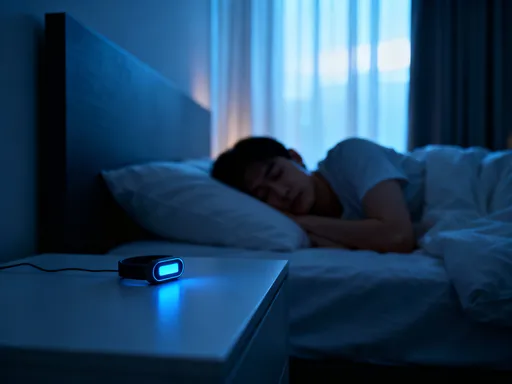
Sleep tracking technology has transformed the way individuals understand their rest. Modern tools can measure more than just duration—they capture the architecture of sleep, including the time spent in light, deep, and REM stages, as well as the number and length of awakenings throughout the night. This data provides a far more accurate picture than memory or subjective feelings alone. For instance, someone may believe they slept seven hours straight, only to discover their device recorded three separate awakenings and less than two hours of deep sleep. These insights are not about judgment, but about clarity. They reveal patterns that would otherwise go unnoticed, offering a foundation for meaningful change.
Today’s health monitoring options range from wearable devices like wristbands to smartphone applications and even smart mattresses. These tools use a combination of movement detection, heart rate variability, and breathing patterns to estimate sleep stages. While they are not medical-grade equipment, their value lies in consistency and trend analysis. Over time, users can observe how specific behaviors—such as drinking alcohol, exercising late, or going to bed at different times—affect their sleep quality. This longitudinal view is powerful, allowing individuals to test hypotheses and adjust habits with real feedback.
One of the most common revelations is the discrepancy between perceived and actual sleep efficiency. A person may spend eight hours in bed but only achieve six hours of actual sleep due to prolonged onset or frequent interruptions. Another frequent finding is the impact of weekend sleep-ins, which can disrupt the body’s circadian rhythm and make Monday mornings especially difficult. By visualizing these patterns, users gain a sense of agency. They begin to see sleep not as a passive event, but as a process influenced by daily choices. It’s important to note that these tools are not meant to replace clinical diagnosis. They do not detect sleep disorders like sleep apnea with certainty. However, they serve as an early warning system, highlighting anomalies that may warrant professional evaluation. More than anything, they foster mindfulness—turning sleep from an afterthought into a deliberate practice.
My 3 Biggest Sleep Discoveries
The moment I began tracking my sleep, I was confronted with uncomfortable truths. The first was the effect of late-night eating. I often had a small snack before bed, thinking it would help me sleep. The data told a different story: my heart rate remained elevated for hours, and my deep sleep was consistently reduced. This happens because digestion activates the body’s metabolic processes, increasing core temperature and stimulating the nervous system—both of which interfere with the transition into restorative sleep stages. Once I moved my last meal to at least two hours before bedtime, I noticed a significant improvement in sleep continuity and depth. This change alone made mornings easier and energy levels more stable throughout the day.
The second discovery was the impact of screen use. I had always believed that winding down with a show or checking emails was harmless. But the tracking data showed a clear pattern: on nights when I used screens within an hour of bedtime, my REM sleep was delayed by over 40 minutes. REM sleep, crucial for emotional processing and cognitive function, was being pushed later into the night, sometimes not occurring until the early morning hours when it could be easily disrupted. This explained why I often woke up feeling emotionally drained, even after sleeping a full night. To address this, I established a digital curfew, turning off all screens at least 60 minutes before bed. Instead, I began reading physical books or practicing light stretching. Within a week, my REM onset time improved, and I reported feeling more mentally refreshed upon waking.
The third major insight was the role of inconsistent wake-up times. While I tried to go to bed at a similar time each night, my wake-up time varied widely—sometimes 6:30 a.m., other times past 9:00 a.m., especially on weekends. The data revealed that these fluctuations confused my circadian rhythm, leading to lower sleep efficiency and increased fatigue. The body thrives on routine, and irregular wake times send conflicting signals about when to release cortisol and melatonin. Once I committed to waking up within a 30-minute window every day, including weekends, my sleep quality improved dramatically. My body began anticipating bedtime, making it easier to fall asleep and stay asleep. These three discoveries—late eating, screen exposure, and irregular wake times—were not dramatic or complex, but their cumulative effect was transformative. Each was identified through data, not intuition, proving that small, informed changes can yield significant results.
Turning Data Into Action: Simple Adjustments That Work
Armed with insights from tracking, the next step was creating a sustainable routine. The key was not perfection, but consistency. I started by designing a pre-sleep ritual that signaled to my body it was time to wind down. This included turning off screens, dimming the lights, and engaging in calming activities like reading or journaling. Over time, this routine became a conditioned cue, making it easier to transition into sleep. I also paid closer attention to my bedroom environment. Research shows that a cool, dark, and quiet space promotes better sleep. I adjusted the thermostat to 65–68 degrees Fahrenheit, used blackout curtains, and introduced a white noise machine to mask outside sounds. These changes, though simple, had a measurable impact on sleep efficiency.
Daily habits outside the bedroom also played a crucial role. I began prioritizing morning light exposure, which helps regulate the circadian rhythm by suppressing melatonin and signaling wakefulness. Even 10–15 minutes of natural light shortly after waking made a difference in my energy levels and sleep timing. Exercise was another factor. While physical activity supports better sleep, I learned that timing matters. Intense workouts too close to bedtime could increase alertness and delay sleep onset. Shifting my exercise to the morning or early afternoon resolved this issue. Hydration was balanced—drinking enough water during the day but reducing intake in the evening to minimize nighttime awakenings.
One of the most effective practices was conducting weekly reviews of my sleep data. Instead of reacting to single nights, I looked for trends over time. For example, I noticed that days with higher stress levels, tracked through heart rate variability, correlated with poorer sleep. This prompted me to incorporate stress-reduction techniques like deep breathing and mindfulness. I treated each week as an experiment, adjusting one variable at a time and observing the results. This approach removed guesswork and built confidence. I wasn’t just hoping for better sleep—I was learning how to achieve it. The process shifted from frustration to empowerment, grounded in evidence rather than assumption.
When to Seek Professional Help
While self-monitoring is a powerful tool, it has clear limitations. It is not a substitute for medical evaluation, especially when sleep issues persist despite lifestyle changes. There are certain red flags that should prompt a conversation with a healthcare provider. These include loud or frequent snoring, gasping for air during sleep, excessive daytime sleepiness, or difficulty staying awake during quiet activities like reading or driving. These symptoms may indicate sleep apnea or other sleep disorders that require clinical diagnosis and treatment.
Insomnia is another concern. If difficulty falling or staying asleep occurs at least three nights per week for more than three months, it may be classified as chronic insomnia, which benefits from structured interventions such as cognitive behavioral therapy for insomnia (CBT-I). Similarly, persistent fatigue, mood disturbances, or unexplained changes in sleep patterns should not be ignored. A doctor can evaluate potential underlying causes, such as hormonal imbalances, medication side effects, or mental health conditions.
The value of tracking lies in its ability to inform these conversations. Instead of saying, “I don’t sleep well,” a patient can present data showing specific patterns—frequent awakenings, low heart rate variability, or delayed REM sleep. This provides clinicians with a richer context and can accelerate the path to diagnosis and treatment. It also fosters a collaborative relationship, where patients are active participants in their care. The goal is not to self-diagnose, but to become more aware and proactive. When used responsibly, health monitoring bridges the gap between personal experience and professional insight, ensuring that concerns are taken seriously and addressed appropriately.
Building a Sustainable Sleep-Healthy Lifestyle
Better sleep is not a one-time fix but a lifelong practice. The insights gained from tracking helped me shift my mindset—from viewing sleep as something that just happens to seeing it as a vital sign worthy of attention. Just as people monitor their steps, heart rate, or diet, sleep deserves the same level of care. It is not about achieving perfection every night, but about cultivating awareness and making informed choices. Over time, this approach extended beyond sleep to influence other areas of health. I became more mindful of my nutrition, more consistent with movement, and more intentional about managing stress.
Integrating sleep tracking into a broader wellness routine created a positive feedback loop. When I slept well, I had more energy to exercise, make healthier food choices, and engage in meaningful activities. In turn, these habits supported better sleep, reinforcing the cycle. The data also helped me recognize the impact of life events—travel, work deadlines, family responsibilities—on my rest, allowing me to plan and adjust proactively. This holistic view transformed sleep from a source of frustration into a cornerstone of well-being.
Sustainability came from flexibility. I learned to adapt my routine without guilt when circumstances changed, focusing on consistency over rigidity. The goal was progress, not perfection. By treating sleep as a dynamic process influenced by daily choices, I developed a deeper connection to my body’s needs. This shift in perspective was perhaps the most profound change. It moved me from guessing and struggling to understanding and responding. Sleep became not just a biological function, but a form of self-respect—a daily commitment to restoration and renewal.
In closing, the journey from sleep dissatisfaction to restful nights was not marked by dramatic interventions, but by small, data-informed steps. What began as a personal experiment revealed universal truths: sleep is essential, measurable, and malleable. Health monitoring did not give me answers—it gave me awareness. And from that awareness, real change became possible. You don’t need willpower to sleep better. You need understanding. By paying attention to your patterns, honoring your body’s rhythms, and making thoughtful adjustments, you can reclaim the rest you deserve. Let your sleep be a priority, not an afterthought. With the right tools and mindset, better nights—and brighter days—are within reach.