Why I Swear by Qigong for Daily Wellness—A Professional’s Honest Take
For years, I overlooked qigong, thinking it was just slow movements with little real benefit. But after chronic stress and low energy started affecting my work, I decided to test it. What I discovered wasn’t magic—just science-backed calm, better focus, and real physical ease. As a wellness professional, I’ve seen how this ancient practice quietly transforms modern lives. Let me share why it’s more than just breathing exercises—and why you might want to give it a real try.
The Hidden Cost of Modern Stress
In today’s fast-paced world, many women between the ages of 30 and 55 find themselves stretched thin—balancing careers, family responsibilities, household management, and personal expectations. The constant demand to be productive, responsive, and emotionally available often comes at a steep price: chronic stress. Unlike acute stress, which is temporary and sometimes even beneficial, chronic stress lingers, wearing down the body’s defenses over time. It shows up as fatigue that coffee can’t fix, difficulty falling or staying asleep, irritability over small matters, and a sense of being overwhelmed even during quiet moments.
Physiologically, this ongoing strain triggers a continuous release of cortisol, the body’s primary stress hormone. While cortisol plays a necessary role in helping us respond to challenges, elevated levels over long periods disrupt sleep cycles, weaken immune function, increase inflammation, and contribute to weight gain—particularly around the abdomen. Additionally, chronic stress impairs cognitive performance, leading to what many describe as “brain fog”—trouble concentrating, forgetfulness, and reduced mental clarity. These effects are not imagined; they are measurable and well-documented in medical literature.
Most attempts to manage this kind of stress rely on short-term fixes: an extra cup of coffee in the morning, a high-intensity workout after work, or scrolling through social media before bed. While these may offer temporary relief, they often fail to address the root issue—the nervous system’s inability to shift out of “fight or flight” mode. Caffeine, for example, can heighten anxiety and disrupt sleep quality, while intense exercise, though beneficial in moderation, may further stress an already taxed body if done without adequate recovery. What’s needed is not more stimulation, but a reliable way to activate the body’s natural relaxation response.
This is where qigong stands apart. Rather than adding more strain, it offers a gentle yet powerful method to restore balance. By integrating slow, intentional movements with deep breathing and mental focus, qigong signals the nervous system that it is safe to relax. Over time, this helps lower cortisol levels, improves heart rate variability—a marker of resilience—and supports the body’s innate capacity to heal and regenerate. For women navigating the complexities of midlife, this kind of sustainable self-care isn’t just helpful; it’s essential.
What Qigong Really Is (And Isn’t)
Despite growing interest, qigong is often misunderstood. Some mistake it for a form of martial arts performance, seeing videos of practitioners moving with dramatic precision and assuming it requires years of training. Others dismiss it as mystical or pseudoscientific, associating the term “energy” with unproven or esoteric concepts. The truth is far more grounded. Qigong—pronounced “chee-gong”—is a traditional Chinese practice that combines gentle physical postures, regulated breathing, and mindful awareness to support health and vitality. The word itself translates to “cultivating energy,” where *qi* refers to vital life force and *gong* means skill developed through regular practice.
Rooted in Traditional Chinese Medicine (TCM), qigong has been used for centuries not as a treatment for specific diseases, but as a preventive discipline to maintain balance within the body. Unlike Western medicine, which often focuses on treating symptoms after they arise, TCM emphasizes harmony between internal systems and the external environment. Qigong aligns with this philosophy by promoting the smooth flow of energy through the body’s meridians, or pathways, which are believed to influence organ function and emotional well-being.
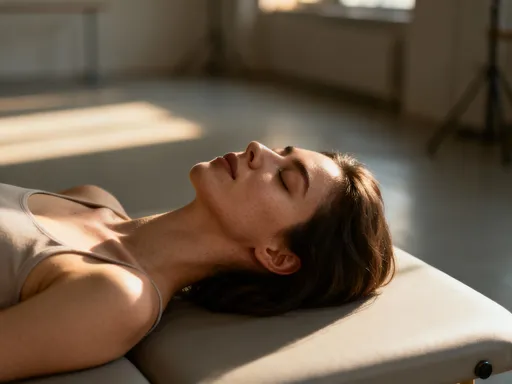
Importantly, qigong does not require any special equipment, physical strength, or prior experience. It can be practiced standing, sitting, or even lying down, making it accessible to people of all fitness levels, including those with joint pain, limited mobility, or chronic conditions. There are many styles—some dynamic, others still—but most share the same core components: posture, breath, and intention. These elements work together to create a state of relaxed alertness, similar to meditation but with movement.
In recent decades, qigong has gained recognition beyond traditional circles. It is now included in integrative health programs at hospitals and wellness centers across North America and Europe. Research institutions have studied its effects on conditions ranging from hypertension to fibromyalgia, with results supporting its role in improving quality of life. Yet despite this growing validation, qigong remains underutilized, partly because its benefits are subtle and cumulative rather than immediate and dramatic. This quiet effectiveness can make it easy to overlook—but no less valuable.
The Science Behind the Stillness
While qigong originates from ancient traditions, its benefits are increasingly supported by modern science. Numerous studies have demonstrated that regular practice leads to measurable improvements in both physical and mental health. One of the most consistent findings is its ability to reduce markers of stress. Clinical trials have shown that participants who engage in qigong for eight to twelve weeks experience significant decreases in cortisol levels, along with improvements in perceived stress and mood. These changes are linked to the practice’s impact on the autonomic nervous system—specifically, its ability to enhance parasympathetic activity, the branch responsible for rest, digestion, and recovery.
When we breathe slowly and rhythmically—such as inhaling for four counts and exhaling for six—we stimulate the vagus nerve, a key component of the parasympathetic system. This sends a clear message to the body: “You are safe. You can relax.” Over time, this repeated activation helps retrain the nervous system to default to a calmer state, even in challenging situations. This is particularly beneficial for women who may feel constantly “on call” at home or work, rarely allowing themselves the space to truly unwind.
Cardiovascular health also benefits from qigong. Research published in journals such as the *Journal of Alternative and Complementary Medicine* has found that regular practitioners show lower resting heart rates, improved blood pressure, and better circulation. These effects are thought to result from the combination of gentle movement, which enhances circulation without straining the heart, and deep breathing, which increases oxygen delivery to tissues. For women approaching or going through menopause—a time when cardiovascular risk naturally increases—these benefits are especially relevant.
Additionally, neuroimaging studies have revealed changes in brainwave patterns during qigong practice. There is an increase in alpha and theta waves, which are associated with calm focus and meditative states. This helps explain why many people report feeling mentally clearer and emotionally more balanced after sessions. Unlike the mental fatigue that follows multitasking or prolonged screen use, qigong appears to restore cognitive resources, allowing for greater patience, creativity, and emotional regulation. These neurological shifts do not happen overnight, but with consistent practice, they become part of a new baseline—one defined more by presence than reactivity.
How It Differs from Yoga and Meditation
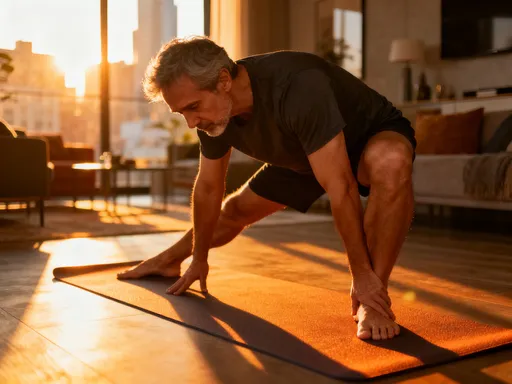
Given the popularity of yoga and meditation, it’s natural to wonder how qigong compares. All three practices promote mind-body connection and stress reduction, but they do so in distinct ways. Yoga, particularly in its Western forms, often emphasizes physical postures (asanas), flexibility, and strength. While some styles include breathwork and mindfulness, the primary focus tends to be on alignment and physical challenge. For many women, especially those with joint issues or limited mobility, holding certain poses can be uncomfortable or inaccessible.
Meditation, on the other hand, typically involves sitting still and observing the breath, thoughts, or sensations without movement. While powerful, this stillness can be difficult for beginners, especially those with restless minds or physical discomfort from prolonged sitting. The lack of movement may also make it harder to release stored tension in the body.
Qigong bridges these two approaches by integrating gentle motion with breath and awareness. Its flowing sequences—such as “Lifting the Sky,” where arms rise slowly overhead, or “Separating Heaven and Earth,” which involves alternating hand positions above and below the torso—create what some call “moving meditation.” This dynamic quality keeps the body engaged while calming the mind, making it easier to stay present without becoming stiff or distracted. Because the movements are slow and low-impact, they are less likely to cause strain, yet they still stimulate circulation, joint mobility, and muscular endurance.
Another key difference lies in intention. In qigong, practitioners are encouraged to direct their attention inward, sensing the subtle flow of energy through the body. This internal focus fosters a deeper connection between physical sensation and emotional state. Over time, this awareness can help identify where tension is held—perhaps in the shoulders from carrying emotional weight, or in the jaw from unspoken frustrations. By gently moving and breathing into these areas, women can begin to release not just physical tightness, but the emotional patterns that contribute to it.
A Simple Routine Anyone Can Start Today
One of the greatest strengths of qigong is its accessibility. You don’t need special clothing, a mat, or a quiet room—though a peaceful environment can enhance the experience. To begin, find a space where you can stand comfortably with your feet shoulder-width apart. Wear loose clothing and remove shoes if possible. Choose a time when you’re unlikely to be interrupted, such as early morning before the household wakes or in the evening after dinner.
Here is a beginner-friendly 10-minute routine consisting of three foundational exercises:
1. Standing Like a Tree (Zhan Zhuang)
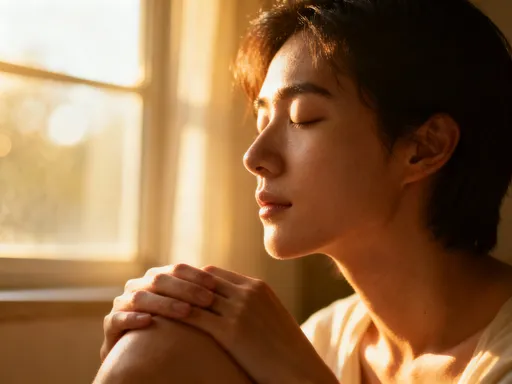
Stand with knees slightly bent, spine straight, shoulders relaxed. Rest your hands in front of your lower abdomen, as if cradling a ball. Close your eyes or soften your gaze. Breathe naturally, focusing on the rise and fall of your belly. Hold this posture for 3–5 minutes. This simple stance builds grounding, improves posture, and calms the nervous system.
2. Lifting the Sky
Begin with hands at your sides. Inhale slowly as you raise your arms forward and up overhead, palms facing up. Imagine lifting a heavy but gentle weight. At the top of the breath, pause briefly. Exhale as you lower your arms back down, palms turning downward as if pressing energy into the earth. Repeat 6–8 times. This movement stretches the torso, improves lung capacity, and enhances energy flow along the body’s central channel.
3. Wave Hands Like Clouds
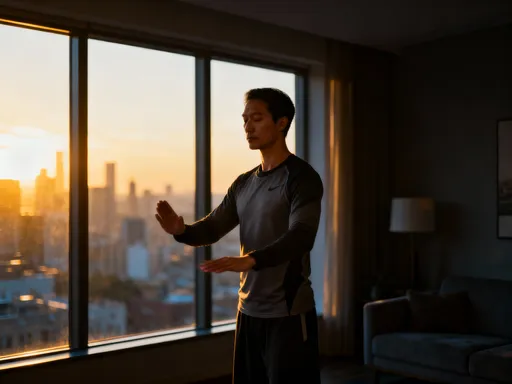
Shift your weight gently from one foot to the other while moving your hands side to side in front of your body, as if brushing clouds away. Keep the movements smooth and continuous, coordinating with your breath—inhale as hands move right, exhale as they move left. Continue for 2–3 minutes. This exercise promotes balance, loosens the hips and shoulders, and fosters mental fluidity.
The key to success is consistency, not duration or intensity. Practicing for just ten minutes a day yields better results than one long session per week. Over time, you may notice subtle shifts: a deeper breath upon waking, less tension in your neck, or a greater sense of inner calm during daily challenges. These small changes accumulate, forming the foundation of lasting wellness.
Real Shifts I’ve Witnessed—In Myself and Others
As a wellness professional, I’ve introduced qigong to hundreds of women through workshops and private sessions. While individual experiences vary, certain patterns emerge consistently. One of the most common is improved sleep quality. Many report falling asleep faster, waking less during the night, and feeling more rested upon waking. This is likely due to the practice’s ability to regulate the nervous system, reducing the hyperarousal that often interferes with restful sleep.
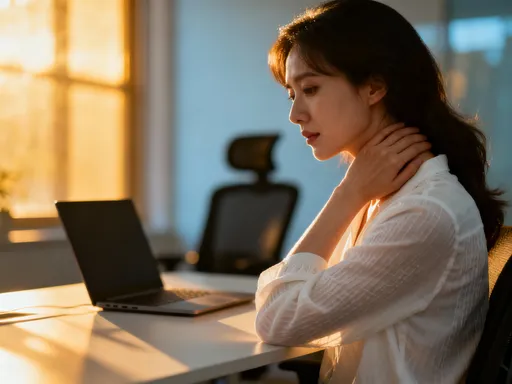
Another frequent observation is reduced muscle tension, particularly in the neck, shoulders, and lower back—areas where stress tends to accumulate. Women who spend long hours at desks or caring for children often carry physical strain without realizing it until they begin to release it. Qigong’s gentle movements help loosen these areas gradually, without the discomfort of aggressive stretching or massage.
Emotionally, many describe feeling more patient, especially in high-pressure moments with family or coworkers. One participant shared that she used to snap at her teenage son over minor issues, but after six weeks of daily practice, she noticed a pause between irritation and reaction—a space where she could choose her response. This increased emotional resilience is not about suppressing feelings, but about creating awareness and self-regulation.
Some also report a subtle but noticeable boost in stamina. Not the kind that allows for longer runs or heavier lifting, but the kind that makes it easier to get through a long day without crashing. This sustained energy likely stems from improved oxygenation, better circulation, and reduced physiological stress. Importantly, these changes do not happen overnight. They unfold gradually, like the slow unfurling of a leaf in spring. But for those who commit to the practice, the cumulative effect is profound.
Making Qigong a Lifelong Habit
Like any healthy habit, maintaining a qigong practice requires intention and strategy. The most common barriers women face are lack of time, skepticism about results, and frustration with the slow pace of change. To overcome these, it helps to reframe qigong not as another task to check off, but as an act of self-respect. Just as you would not skip brushing your teeth or feeding your children, consider this practice a non-negotiable part of your daily routine.
One effective method is habit stacking—pairing qigong with an existing behavior. For example, practice right after brushing your teeth in the morning or before brewing your evening tea. This creates a natural cue that makes the habit easier to remember and maintain. Tracking progress can also help, though not in the way you might track weight loss or steps. Instead, journal briefly about how you feel before and after each session: Was your mind racing? Did your shoulders feel tight? Did you notice a shift? Over time, these notes reveal patterns that reinforce motivation.
It’s also important to manage expectations. Qigong is not a quick fix for serious medical conditions. While it supports overall well-being, it should complement—not replace—professional medical care. If you are managing a health issue, consult your healthcare provider before beginning any new practice. That said, for the everyday stresses of modern life, qigong offers a gentle, evidence-based way to restore balance from within.
Ultimately, choosing qigong is a choice to slow down in a world that glorifies speed. It is a quiet rebellion against burnout, a daily promise to show up for yourself with kindness and attention. In doing so, you cultivate not just better health, but a deeper relationship with your body, your breath, and your life.
Qigong isn’t about dramatic transformation overnight—it’s about showing up for yourself, breath by breath, movement by movement. In a world that glorifies speed, choosing stillness becomes a quiet act of resistance. When practiced consistently, it fosters a deeper awareness of the body, mind, and the energy that connects them. This isn’t just wellness trend; it’s a timeless return to balance. And that’s something worth cultivating, one gentle motion at a time.